
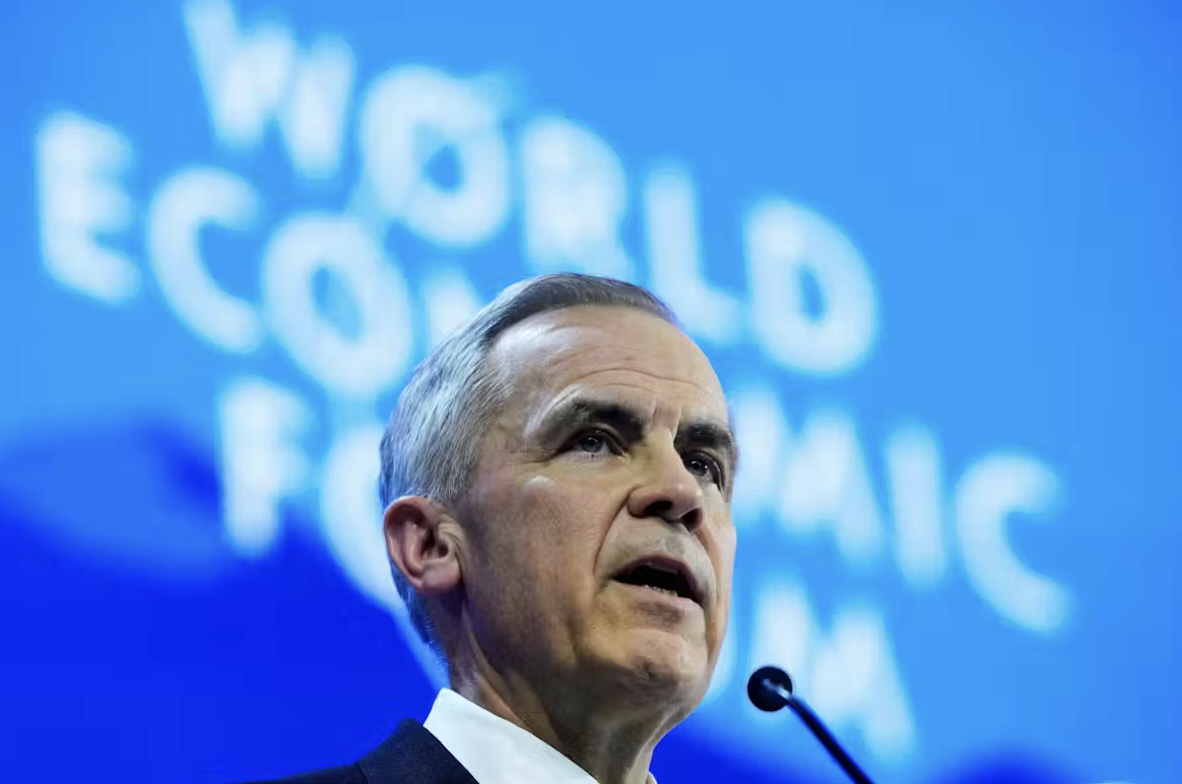
anadian Prime Minister Mark Carney’s Davos speech offered an unusually candid assessment of a world transformed, arguing that the era of comfortable global politics is over and that power, including its coercive use, now shapes international affairs.
He warned that waiting for the old order to return is futile, and that all states must accept this harsher reality. At the same time, Carney delivered a more hopeful message, insisting that middle powers like Canada are not powerless despite the dominance of great powers.
Through cooperation on shared interests, such countries can pool resources and build flexible networks that provide an alternative to passive acquiescence. His stark warning — “If we’re not at the table, we’re on the menu” — underscored the stakes for national independence.
The speech – greeted with a standing ovation – marked a sharp shift from Canada’s recent conciliatory approach toward the United States, which Carney implicitly criticised as ineffective. Without naming President Donald Trump, Carney’s remarks clearly rebuked U.S. unilateralism and its destabilising global consequences. Whether the speech proves historic, however, will depend on whether Canada now matches Carney’s words with decisive action.
SUBSCRIBE TO OUR FREE DAILY NEWSLETTER: If you would like to support our independent journalism at Good Morning World, please subscribe to our daily newsletter. It’s FREE and appears 7 mornings a week. As we prepare to install a fully-automated sign-up, in the meantime please send an email with the word SUBSCRIBE to ianrbrodie@gmail.com