
Over the past year, Gaza’s already fragile infrastructure has been pushed beyond collapse, with electricity, water, hospitals, roads, and municipal services systematically destroyed or severely damaged, reducing daily life to survival.
Families plan their days around scarce fuel and generators, queue for unsafe water and bread, and live among rubble-filled streets where hospitals operate in darkness, sometimes using mobile phones for light during surgeries.
Even before the latest assault, decades of blockade, repeated military attacks, and restrictions on materials meant Gaza’s systems were patched together and never fully recovered.
Electricity has largely vanished after the sole power plant shut down and most transmission lines were destroyed, while water systems have failed due to damage to wells and desalination plants and the lack of power and fuel.
Hospitals now function in constant crisis, overcrowded, undersupplied, and forced to make impossible choices as power cuts interrupt dialysis and surgeries. As 2025 ends, Gaza’s interdependent infrastructure no longer sustains normal life, making rebuilding not just about structures, but about restoring the basic systems needed for dignity and survival. If Israel allows.
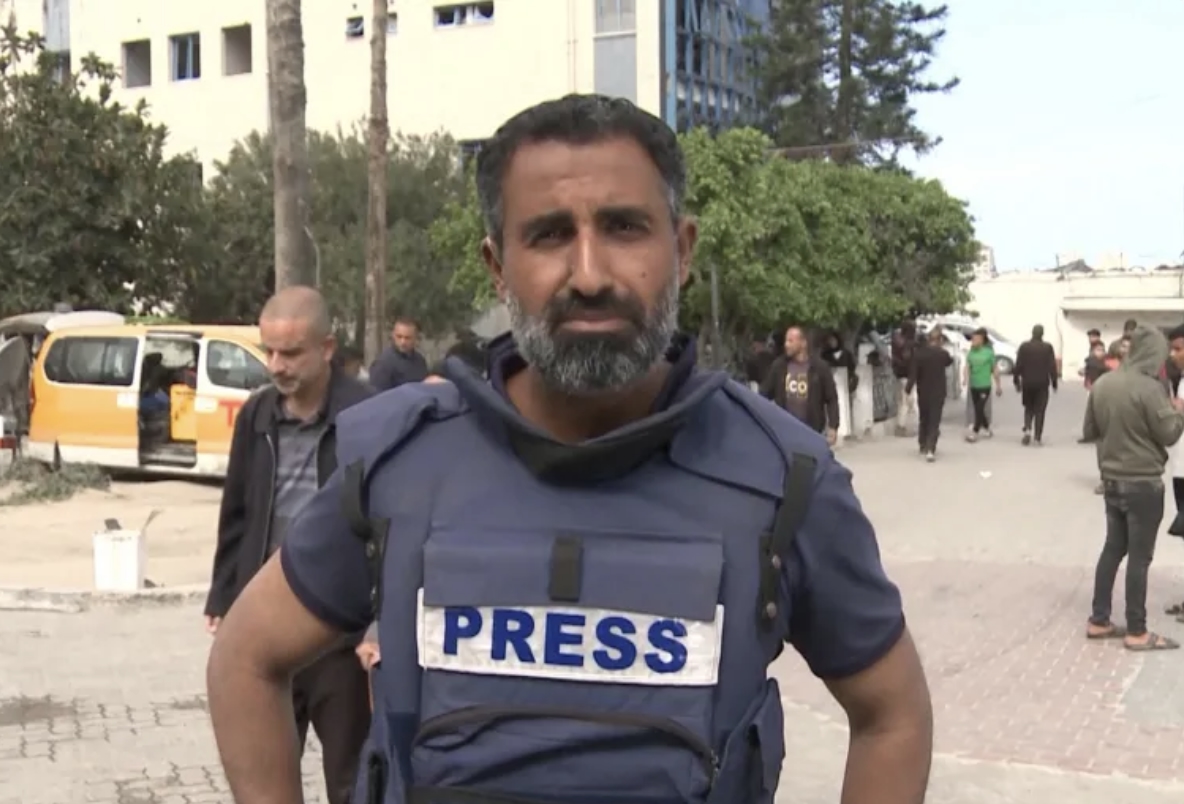
Al Jazeera correspondent Hani Mahmoud reporting live from Gaza City, Gaza [Al Jazeera]
PLEASE SUBSCRIBE TO OUR FREE DAILY NEWSLETTER: If you would like to support our independent journalism at Good Morning World, please subscribe to our daily newsletter. It’s FREE and appears 7 mornings a week. As we prepare to install a fully-automated sign-up, in the meantime please send an email with the word SUBSCRIBE to ianrbrodie@gmail com.