
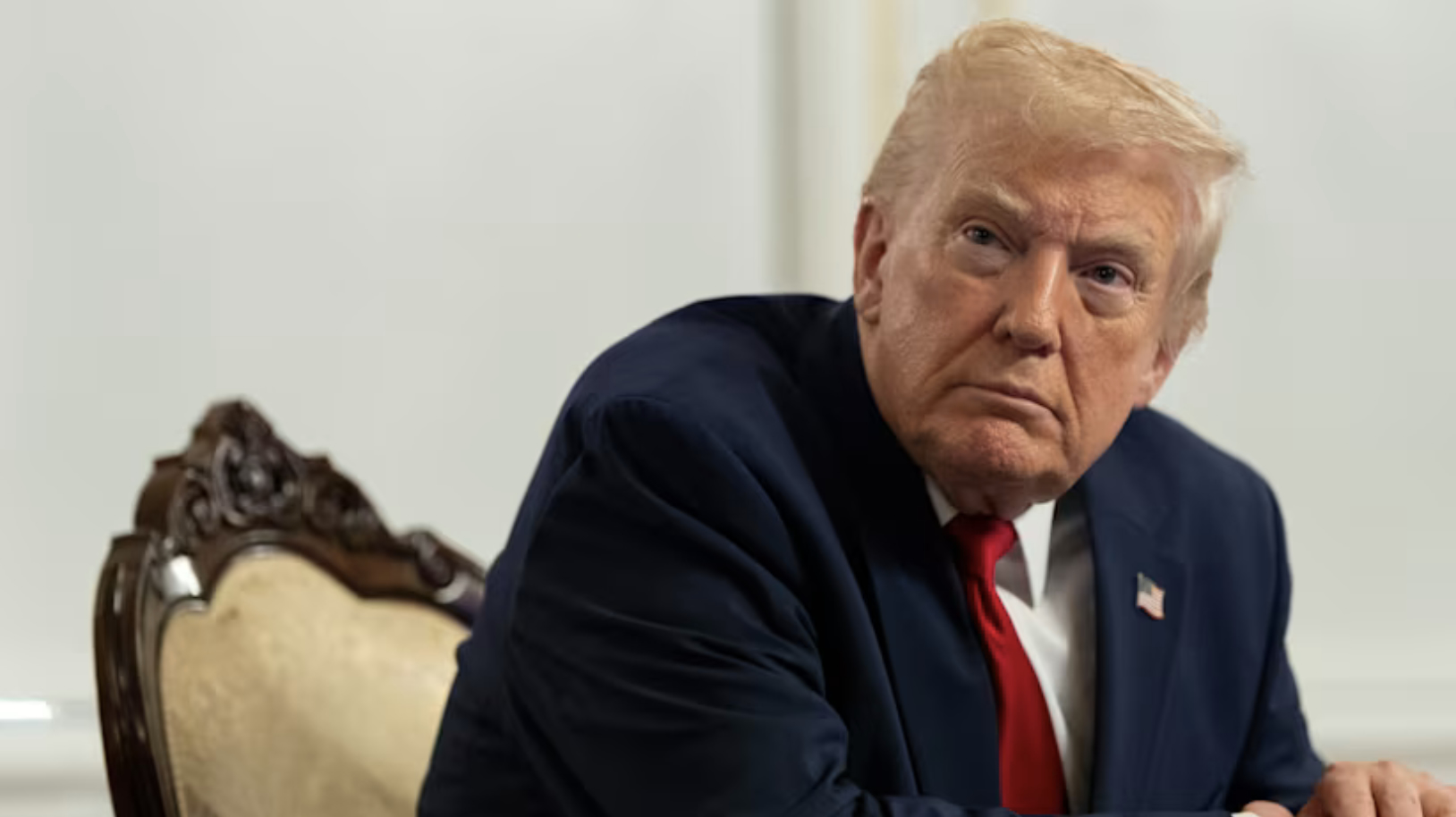
The Trump administration has unveiled a new National Security Strategy portraying Europe as a continent in decline and warning that European nations face “civilisational erasure” due to migration, while also pledging to “cultivate resistance to Europe’s current trajectory within European nations.”
Released on Friday, the strategy outlines the administration’s vision of the US role in the global order, reinforcing Donald Trump’s “America First” approach and presenting him as a “president of peace” inclined toward non-intervention. At the same time, it accuses European governments of undermining democratic processes and criticises supranational bodies, including the European Union, for eroding political liberty and sovereignty.
The document warns of a “civilisational” crisis in Europe driven by migration policies, restrictions on free speech, suppression of political opposition, declining birth rates, and a loss of national identity. These themes reflect arguments long promoted by the administration and its ideological allies, though the tone is notably sharper and likely to irritate European leaders.
Domestically, Trump and his advisers have frequently claimed that right-wing voices are being censored, labelled left-wing and anti-fascist activists as terrorists, and promised mass deportations of undocumented immigrants.
The administration has also portrayed several non-European ethnic groups as dangerous, slashed refugee admissions by 94%, and prioritised white South Africans for resettlement as alleged victims of “genocide.” The strategy further warns that Europe could become “unrecognisable” within two decades, echoing the rhetoric of European far-right movements that cast migration as an existential threat.
It states that Washington will prioritise fostering resistance to Europe’s current direction and cites the rise of “patriotic European parties” as a source of optimism. Trump and senior officials have repeatedly expressed approval of anti-migration and anti-Brussels leaders across Europe, most visibly when Vice President JD Vance met AfD leader Alice Weidel after a speech in Munich criticising European migration policies while bypassing then-chancellor Olaf Scholz.
European leaders condemned Vance’s remarks, with German Chancellor Friedrich Merz defending Europe’s commitment to fundamental rights and democracy. The strategy also links Europe’s supposed lack of “civilisational self-confidence” to what it calls unrealistic expectations about ending Russia’s war in Ukraine, emphasising instead America’s interest in negotiating a swift end to the conflict and restoring strategic stability with Moscow, and it concludes by framing Europe’s long-term security relevance in ethnic terms, suggesting that future NATO members with majority non-European populations may not share the alliance’s original worldview.